Let’s be honest.
The word homework doesn’t exactly make kids jump with excitement.
For most families, it’s a daily struggle filled with sighs, distractions, and “Can I do it later?”
But what if homework didn’t have to feel like homework?
What if your child actually looked forward to it?
Sounds impossible?
It’s not, if you use the right tools.
The secret is simple: interactive, printable worksheets that turn learning into play.
Why Homework Feels Like a Battle (and What Parents Can Do About It)
Before we talk about solutions, let’s understand the problem.
Homework feels boring when it’s:
- Repetitive (same type of questions every day).
- Too long or difficult.
- Lacking creativity or connection to real life.
Kids aren’t lazy, they’re just wired for engagement.
If something captures their imagination, they’ll give it their full attention.
And that’s exactly why themed and seasonal worksheets work so well.
They combine learning with storytelling, creativity, and fun, all while reinforcing important academic skills.
How Interactive Worksheets Transform Homework Time
Interactive worksheets aren’t just pages with questions.
They’re designed to make kids think, move, draw, color, solve, and connect ideas.
Let’s look at how these worksheets can change your child’s attitude toward learning, and how you can use them effectively at home.
1. Learning Becomes an Adventure, Not a Chore
Imagine your child solving math puzzles in a “Springtime Garden” instead of a plain worksheet full of numbers.
Instead of “Find the sum of 7 + 8,” they’re helping a bunny count carrots or guiding a bee to flowers using number patterns.
See the difference?
It’s still math, but now it feels like a game.
In our Spring Math Puzzles Pack, every activity has a story behind it. Kids practice addition, subtraction, and fractions while helping characters complete a mission.
When learning feels like play, kids don’t resist, they immerse.
2. Themed Worksheets Keep Kids Curious All Year Round
Kids love variety — and that’s where seasonal themes shine.
You can make homework feel fresh every month with themed printables like:
- 🌸 Spring-themed reading comprehension passages
- 🎃 Halloween word problems and creative writing prompts
- 🎄 Christmas grammar games and story worksheets
- 🌞 Summer science scavenger hunts
For example, our “Holiday Reading Passages Collection” includes short stories tied to special days like Thanksgiving, Earth Day, and Valentine’s Day, each with comprehension and vocabulary exercises.
The result?
Your child learns about seasons, culture, and holidays while practicing reading and writing.
That’s double the value, academic + cultural learning.
3. Worksheets Give Kids a Sense of Control and Accomplishment
When kids complete a worksheet, they get an instant sense of progress.
It’s a small win, and those small wins add up.
With interactive worksheets, this progress feels even more rewarding.
For example, our “Build Your Own Story” worksheets allow kids to choose endings, create dialogues, or draw scenes.
They’re not just filling blanks, they’re creating something personal.
That autonomy turns homework from “I have to do this” into “I made this!”
4. Visual and Hands-On Activities Keep Focus High
Here’s something most parents miss:
Kids learn best when multiple senses are engaged.
When they color, cut, match, or draw, they’re activating memory and creativity centers in the brain.
Our “Science Scavenger Hunt Worksheets” for grades 4–6 combine writing, drawing, and exploring. Kids might:
- Draw what they observe outside.
- Label diagrams of plants or clouds.
- Match terms with pictures.
These hands-on tasks make even complex topics like the water cycle or photosynthesis surprisingly enjoyable.
5. Parents Can Join the Fun, Without Feeling Like Teachers
Interactive worksheets make homework a shared experience instead of a power struggle.
You can sit with your child, discuss answers, laugh at the stories, or even compete in a quick quiz section.
For instance, in our “Family Trivia Night Printables”, parents and kids can challenge each other in quick educational games.
It’s bonding and learning in one go.
How to Make Homework Fun at Home, Step-by-Step
Want to make your child’s after-school routine smoother and more engaging?
Here’s a simple plan that works like magic:
Step 1: Choose the Right Worksheets
Start with topics your child already enjoys, like animals, weather, or space.
Once they associate homework with fun, you can introduce new subjects.
Try mixing:
- One academic worksheet (math, grammar, or science)
- One creative worksheet (coloring, writing, puzzles)
That balance keeps things fresh and motivating.
Step 2: Set Up a “Homework Station”
Designate a small, cozy space for learning.
Add crayons, pencils, markers, and a folder for their printables.
When kids have a special place for worksheets, it signals: “It’s time to create.”
You can even decorate the wall with completed worksheets, instant motivation!
Step 3: Turn Worksheets into Games
Set mini challenges:
- “Let’s see who finishes first, but no mistakes allowed!”
- “Can you beat yesterday’s score?”
- “Each correct answer earns a sticker!”
Gamifying homework keeps kids engaged while building focus and accuracy.
Step 4: Celebrate Small Wins
Finished a worksheet? Give high-fives. Display it on the fridge.
Or let your child pick tomorrow’s theme, “Math in Space” or “Science in the Kitchen.”
Remember, every completed page is a step toward stronger learning habits.
Educational Benefits of Interactive Worksheets
Here’s the best part: interactive worksheets don’t just make homework fun, they improve learning outcomes.
They help kids:
- Strengthen problem-solving and reasoning skills.
- Improve reading comprehension through stories and scenarios.
- Develop fine motor skills through coloring, matching, and writing.
- Build confidence by completing tasks independently.
And because they blend visuals, text, and activity, they appeal to all learning styles, visual, auditory, and kinesthetic.
Real Examples from Our Store
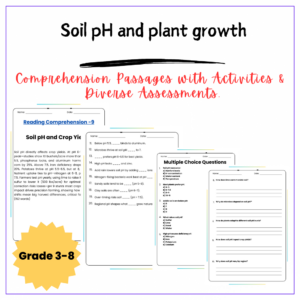
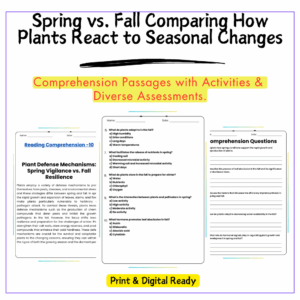
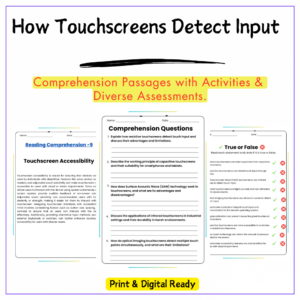
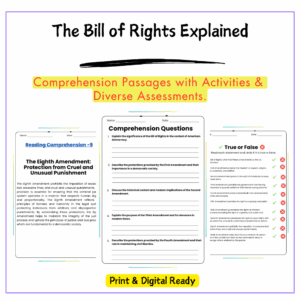
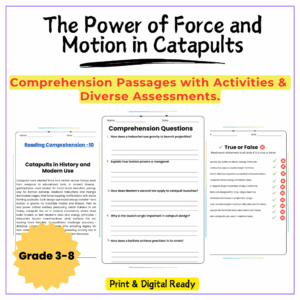
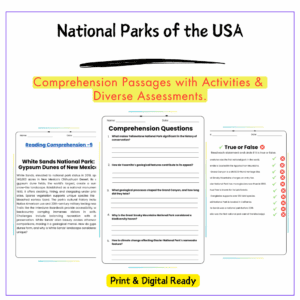
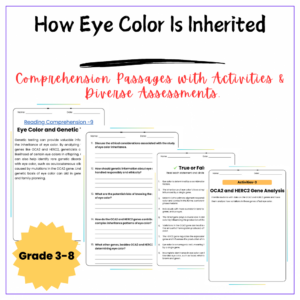
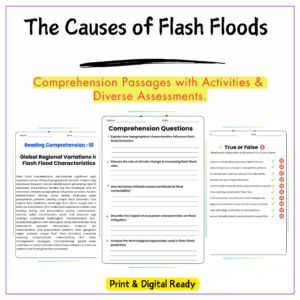
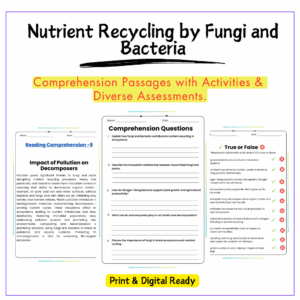
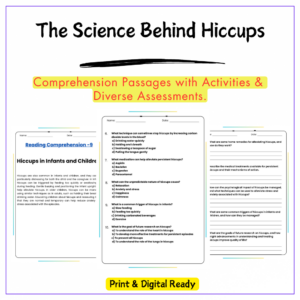
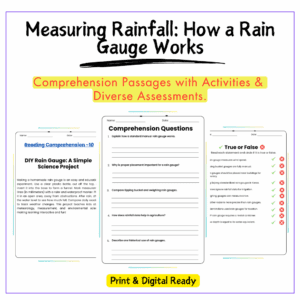
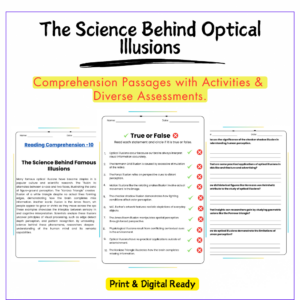
Let’s look at a few worksheet packs that parents and teachers love using to make homework engaging