If you’re a parent or teacher, you’ve probably asked yourself at some point:
“How can I help my child become a more independent learner?”
You’re not alone.
In today’s world where kids are surrounded by screens, distractions, and instant answers, helping them build self-learning skills is more important than ever.
And here’s the surprising part:
One of the most powerful (and overlooked) tools for nurturing independent learning isn’t a fancy app or online course.
It’s something simple, effective, and timeless
👉 Printable educational worksheets.
Why Independent Learning Matters More Than Ever
Before we dive into worksheets, let’s understand why independent learning matters.
Independent learners don’t just “complete homework.”
They own their learning. They ask questions. They explore. They make mistakes and learn from them.
According to research from the American Psychological Association, students who take initiative in their learning retain information longer, perform better academically, and develop stronger problem-solving skills.
In other words, independent learning doesn’t just help kids get better grades it shapes how they’ll handle challenges throughout life.
So, how do we get there?
That’s where printable worksheets come in.
The Power of Printable Worksheets in Building Self-Learning Skills
Let’s be honest: worksheets have a bad reputation sometimes.
People imagine boring drills or endless fill-in-the-blanks.
But modern educational worksheets like the ones available on our website are far from dull.
They’re interactive, creative, and designed to spark curiosity rather than rote memorization.
Here’s how they help kids become confident, independent learners 👇
1. Worksheets Encourage Self-Paced Learning
Every child learns differently. Some grasp new math concepts in minutes, while others need more time and that’s okay.
Printable worksheets allow kids to learn at their own pace without the pressure of keeping up with classmates.
They can review, practice, and master a skill at their comfort level.
For example, our “Fractions Made Fun” worksheet pack lets students start with visual fraction puzzles before moving to real-world word problems.
They build confidence gradually one level at a time.
When kids can pause, think, and solve independently, they don’t just memorize answers they develop understanding.
2. Worksheets Reinforce Learning Through Practice
Let’s face it: Repetition is the secret sauce of mastery.
When children repeatedly apply what they’ve learned, they form deeper neural connections.
Printable worksheets give them that hands-on reinforcement whether it’s solving equations, identifying grammar patterns, or labeling parts of a plant.
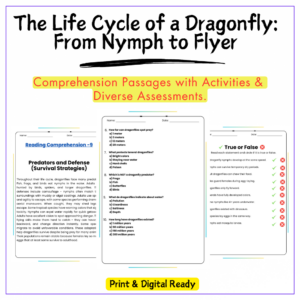
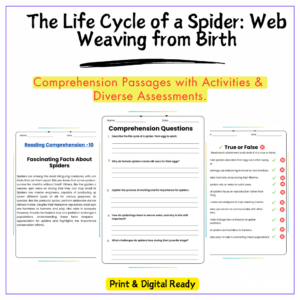
Take our “Life Cycles of Animals” worksheet, for instance.
Instead of just reading about a butterfly’s transformation, kids label each stage, color it, and explain it in their own words.
That combination of visual, written, and critical thinking practice sticks in their memory far longer than a YouTube video ever could.
3. They Build Confidence by Offering Measurable Progress
Kids love to see their success.
With printable worksheets, they can literally track progress from messy first tries to polished, correct answers.
This visible improvement is powerful. It creates a sense of achievement and self-efficacy, the belief that “I can do it on my own.”
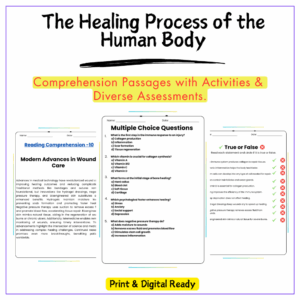
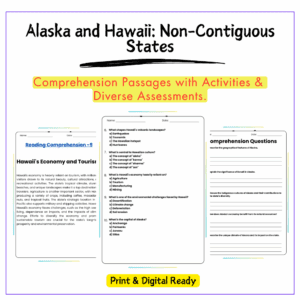
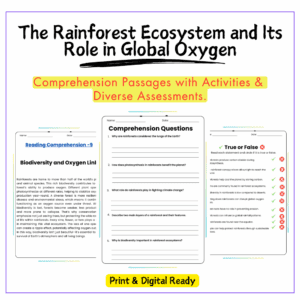
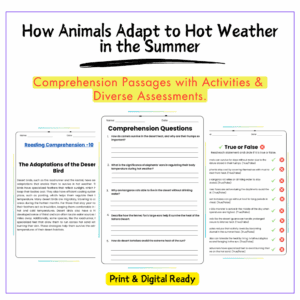
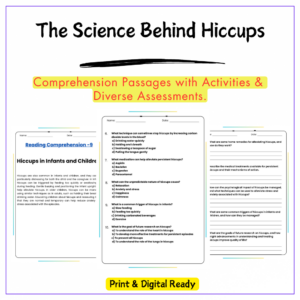
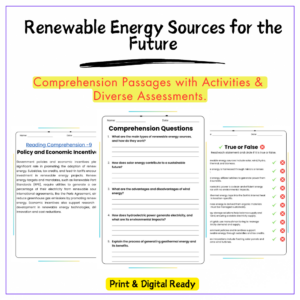
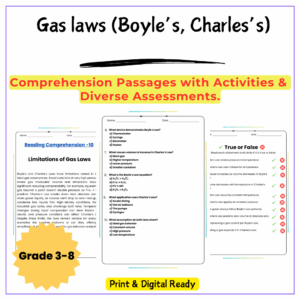
For example, in our Reading Comprehension Series for Grades 3–5, each worksheet has a “Challenge Box” , a fun mini quiz that helps students test what they’ve learned.
When they get it right without help, that tiny spark of pride grows into motivation to keep learning independently.
4. They Foster Critical Thinking and Problem Solving
A good worksheet doesn’t spoon-feed answers; it guides students to discover them.
Our “Earth’s Layers Exploration” worksheet, for example, asks:
“If we could dig a hole through the Earth, which layer would we reach first? Why?”
Questions like these don’t just test memory they make kids think, reason, and analyze.
That’s independent learning in action.
Printable worksheets can also include open-ended questions, logic puzzles, and creative prompts encouraging students to go beyond the page and explore real-world connections.
5. Worksheets Promote Responsibility and Routine
Let’s talk about habits.
Independent learners don’t magically appear; they’re built through consistent practice.
Printable worksheets help create daily learning routines that children can manage on their own.
Set aside 15 minutes a day for a math or reading worksheet, and you’ll notice how kids start taking ownership.
Soon, they’ll open the worksheet folder themselves without being told.
And because printable resources don’t require screens, it’s easier to focus without distractions from games or notifications.
Real Examples: How Teachers and Parents Use Worksheets to Encourage Independence
Let’s look at some real-world examples of how parents and teachers use worksheets from our store to build independent learners:
Case Study 1: The Teacher Who Turned Homework into Exploration
Ms. Ramirez, a 4th-grade teacher from Texas, noticed her students relying too much on group help.
She introduced our “Science in Everyday Life” worksheets which asked kids to observe, record, and reflect on science concepts around them (like the melting of ice or growth of plants).
The result?
Within two weeks, her students started bringing in their own discoveries notes, drawings, and even short paragraphs all inspired by independent exploration.
Case Study 2: The Mom Who Helped Her Child Overcome Math Anxiety
A parent from Ohio shared that her son struggled with fractions.
Instead of forcing long study sessions, she used our “Math Mastery Step-by-Step” printables which gradually increased difficulty level and offered self-check boxes.
Her son started completing one worksheet daily without reminders.
He began enjoying math because he could see his own improvement.
Tips for Parents and Teachers: Making Worksheets Work for You
Printable worksheets are powerful tools but only when used the right way.
Here are a few proven tips to maximize their effectiveness:
- Set clear goals: Instead of saying “Do your homework,” say “Let’s complete one reading worksheet about space today.”
- Celebrate progress: Display completed worksheets on a wall or fridge visual motivation works wonders.
- Combine learning styles: Add coloring, writing, or short oral discussions after worksheets.
- Encourage reflection: Ask kids, “What did you learn on this worksheet today?”
- Offer choices: Let them pick which worksheet to start with ownership boosts engagement.
Remember: the goal isn’t perfection it’s independence.
Why Printable Worksheets Still Matter in a Digital Age
You might wonder why not just use online learning apps?
The answer is focus.
Digital learning is amazing, but it often leads to multitasking switching between tabs, notifications, or distractions.
Printable worksheets, on the other hand, encourage deep, focused learning with pen and paper activating different brain areas linked to memory and comprehension.
That’s why even tech-forward classrooms still rely on printables they provide structure, calm, and clarity in a world full of digital noise.
Independent learning is one of the greatest gifts we can give our children.
It teaches them not just what to learn, but how to learn for life.
And sometimes, all it takes to spark that habit is a stack of thoughtfully designed printable worksheets.
At Creativemindvault, we create worksheets that don’t just fill time they fill minds.
From science and math to reading comprehension and creative writing, each printable is designed to make kids think, explore, and believe in themselves.
So next time you’re planning a learning activity, skip the endless apps.
Print a worksheet.
Sit back.
And watch your child’s independence grow one page at a time.